
February is Dental Month- small animal edition

Did you know that dental disease is one of the most common health issues in pets—and one of the most overlooked? Dental Month is the perfect time to shine a light on your pet’s oral health and how much it impacts their overall wellbeing.
In the photo, Polly is featuring a dental-safe dog ball—avoid regular tennis balls, which can wear down teeth over time.
Why Dental Health Matters
By the age of three, most dogs and cats show signs of dental disease. Plaque and tartar buildup don’t just cause bad breath—they can lead to:
Painful gum inflammation
Loose or fractured teeth
Tooth root infections
Bacteria entering the bloodstream and affecting the heart, liver, and kidneys
The tricky part? Pets are experts at hiding pain. Many continue eating and acting “normal” even when their mouth is uncomfortable.
How Would You Score Your Pets Dental Health?
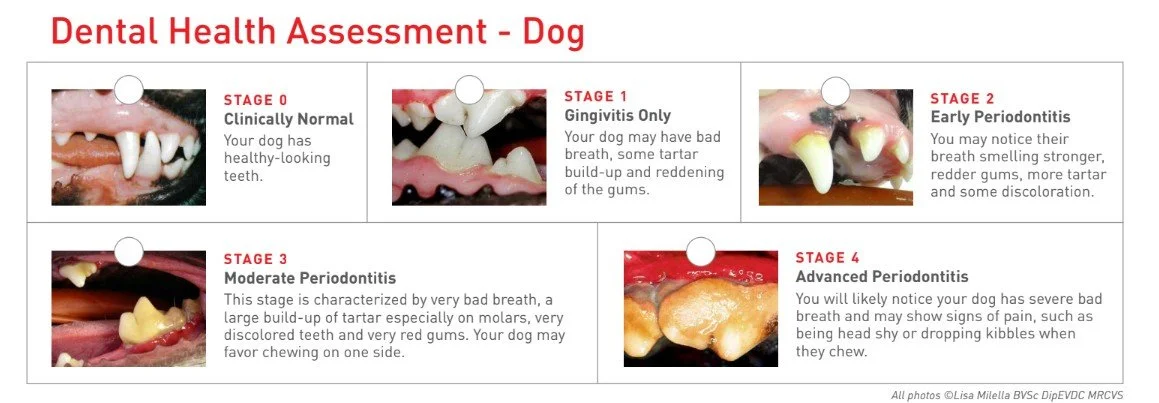
If your pet will allow it, gently lift their lip and take a peek at their teeth and gums. Use the guides to get a general idea of their dental health.
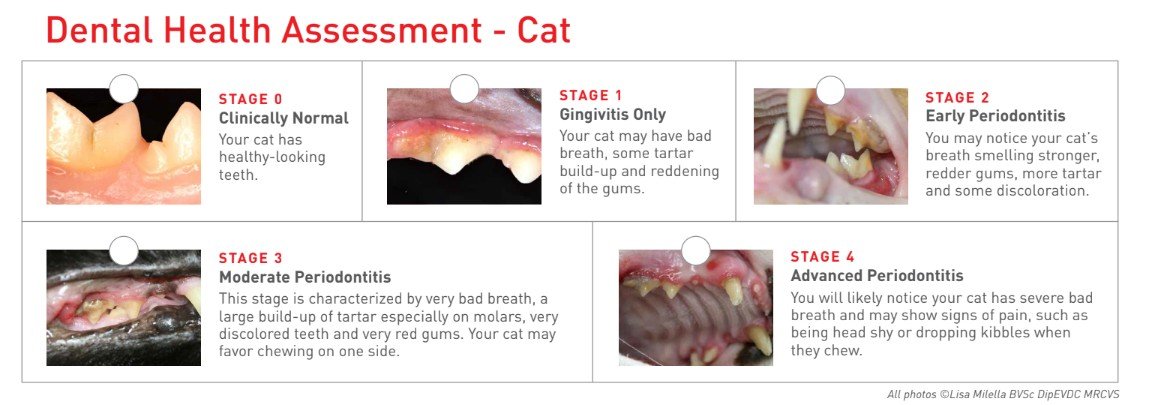
Did you know that resorptive lesions are a common dental problem in cats? Be sure to ask your veterinarian about this condition.
Dental Health Matters for Puppies & Kittens
Dental care starts early! Puppies and kittens go through important dental changes as they grow, and early oral exams help set them up for a lifetime of healthy smiles.
During a dental health check, our veterinary team looks for common issues such as retained baby teeth, which can crowd adult teeth and trap food and bacteria. We also assess for missing teeth, base-narrow canines (teeth that angle inward and may damage the palate), and fractured baby teeth, which can be painful and may lead to infection if left untreated.
Catching these problems early allows us to intervene before they cause discomfort, abnormal bite alignment, or long-term dental disease.
What We Look For During an Oral Exam
During your pet’s dental exam, our veterinary team checks:
Teeth for plaque, tartar, fractures, and discoloration
Gums for redness, swelling, bleeding, or recession
The entire mouth for ulcers, growths, or signs of infection
Breath that may indicate underlying disease or infection
Catching dental issues early can prevent pain, tooth loss, and more serious health concerns down the road.
What Is a Professional Dental Procedure?
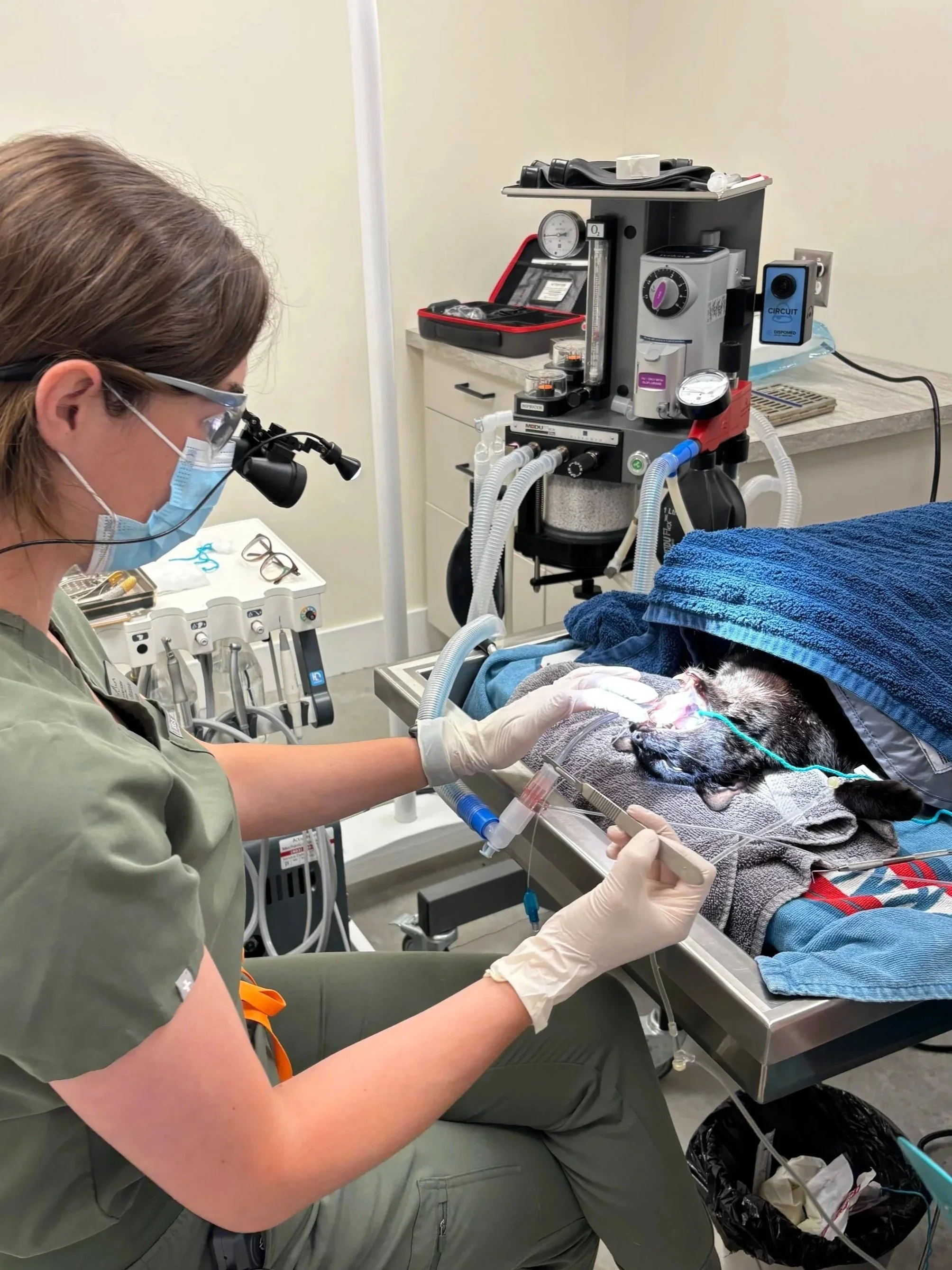
A professional dental procedure is performed under anesthesia to allow:
Thorough cleaning above and below the gumline
Treatment of painful or infected teeth
A complete, stress-free exam of the mouth
Dental X-rays to assess tooth roots and jaw bone.
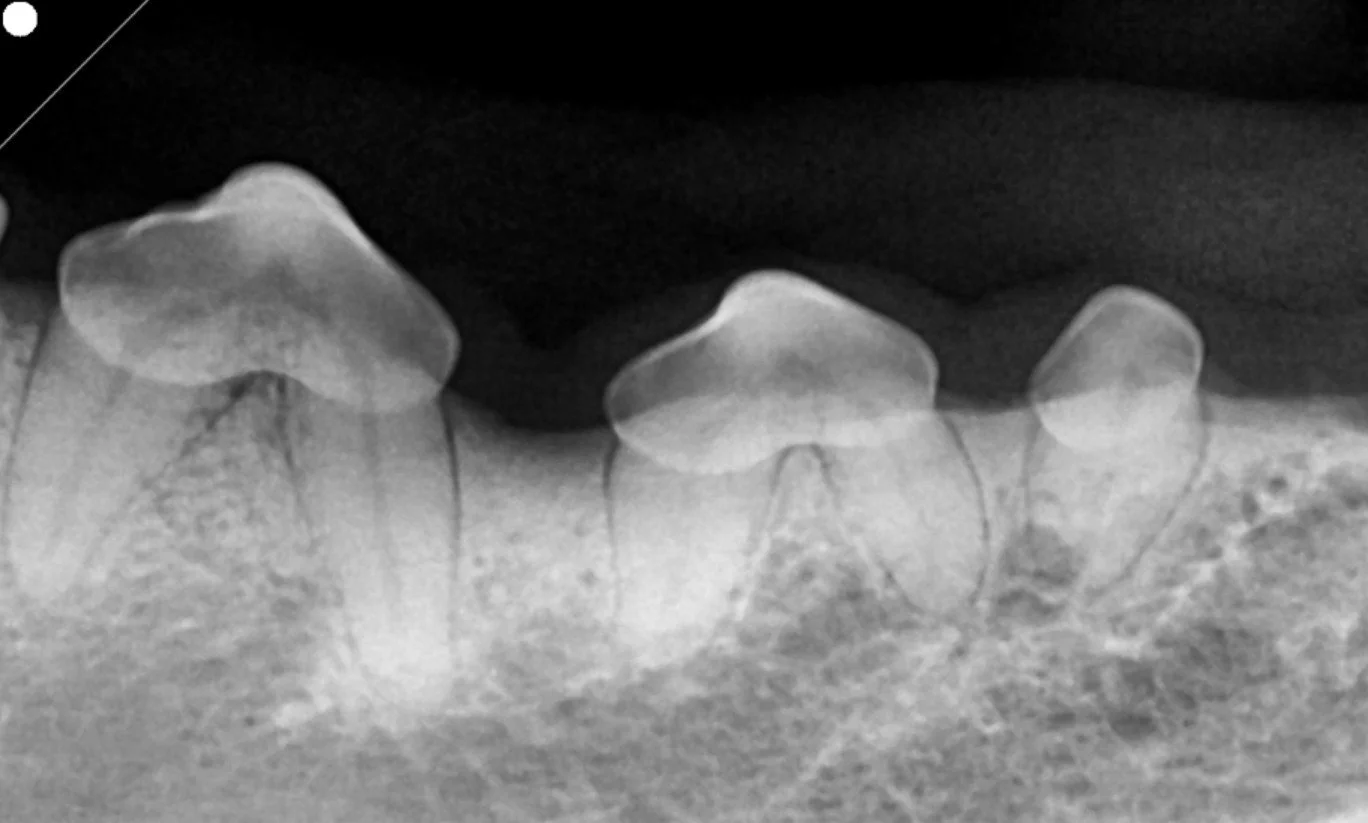
This is the gold standard for treating and preventing dental disease.
At-Home Dental Care Makes a Big Difference
Between professional cleanings, daily or regular home care helps keep mouths healthy:
Brushing your pet’s teeth
Dental diets or chews
Water or food additives
Oral rinses
Our team is happy to help you find the best option for your pet. As a general guide, look for products that have been VOHC approved.
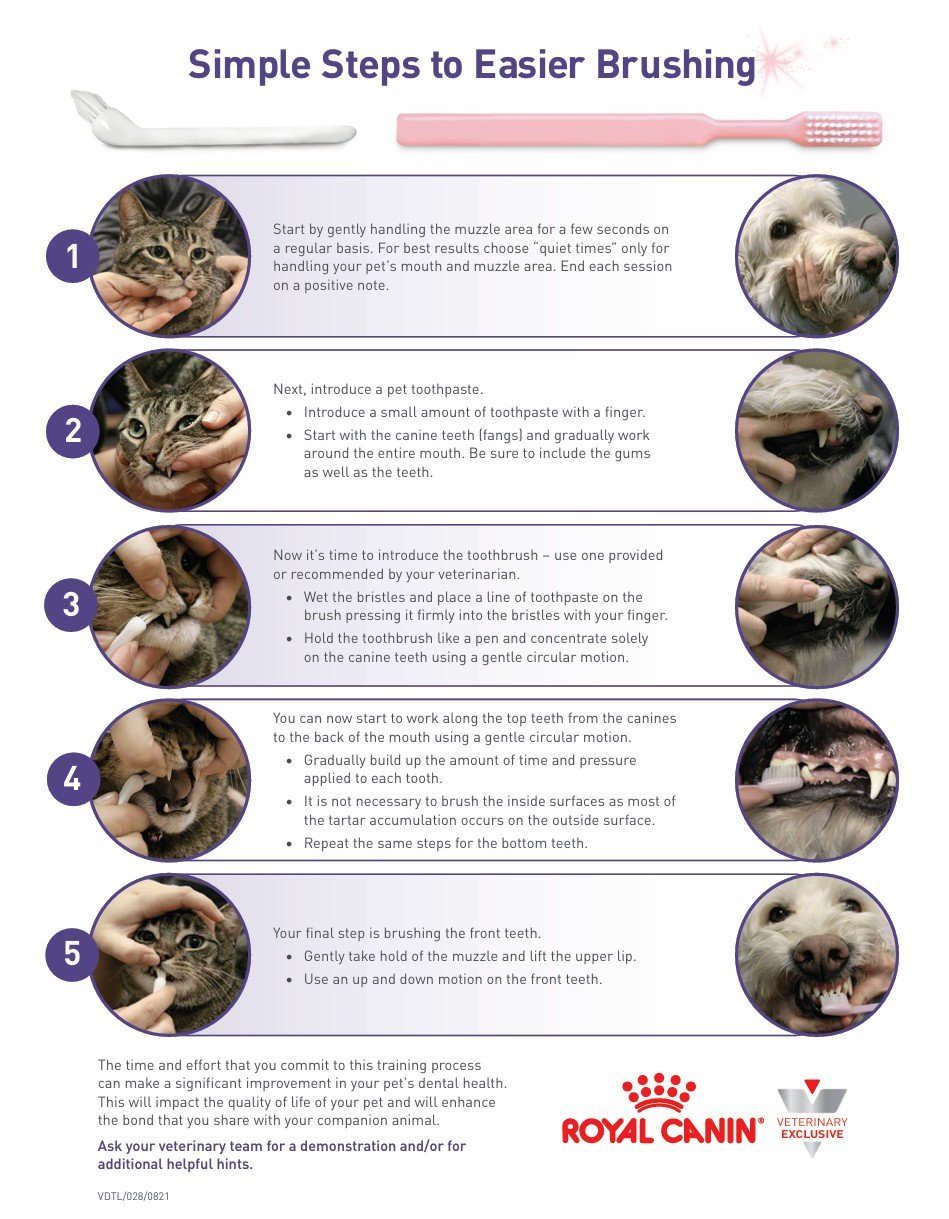
Watch Winny show us how toothbrushing is done!
Take a look in your pets mouth:
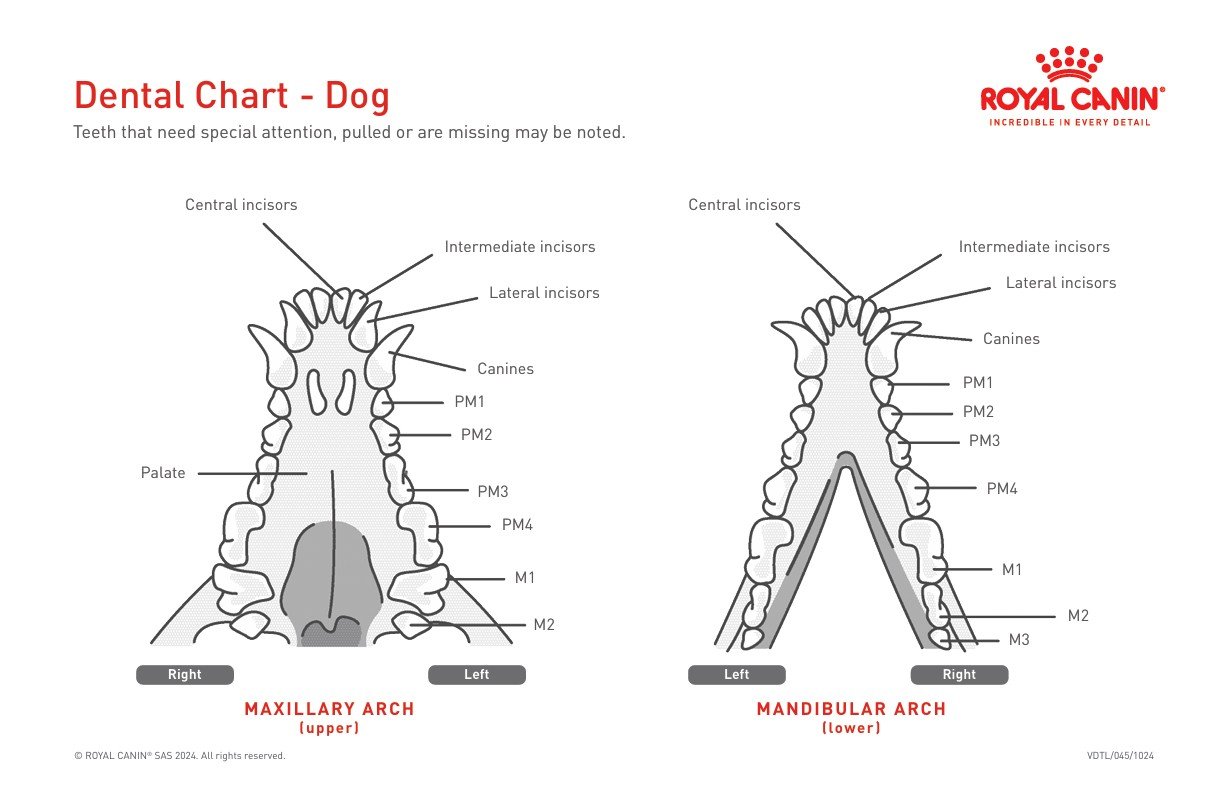
An adult dog has 42 teeth.
12 incisors – for nibbling and grooming
4 canines – the big “fangs” for holding and tearing
16 premolars – for shearing food
10 molars – for crushing and grinding
Puppies are different. They have 28 baby teeth, which usually start falling out around 3–4 months of age.
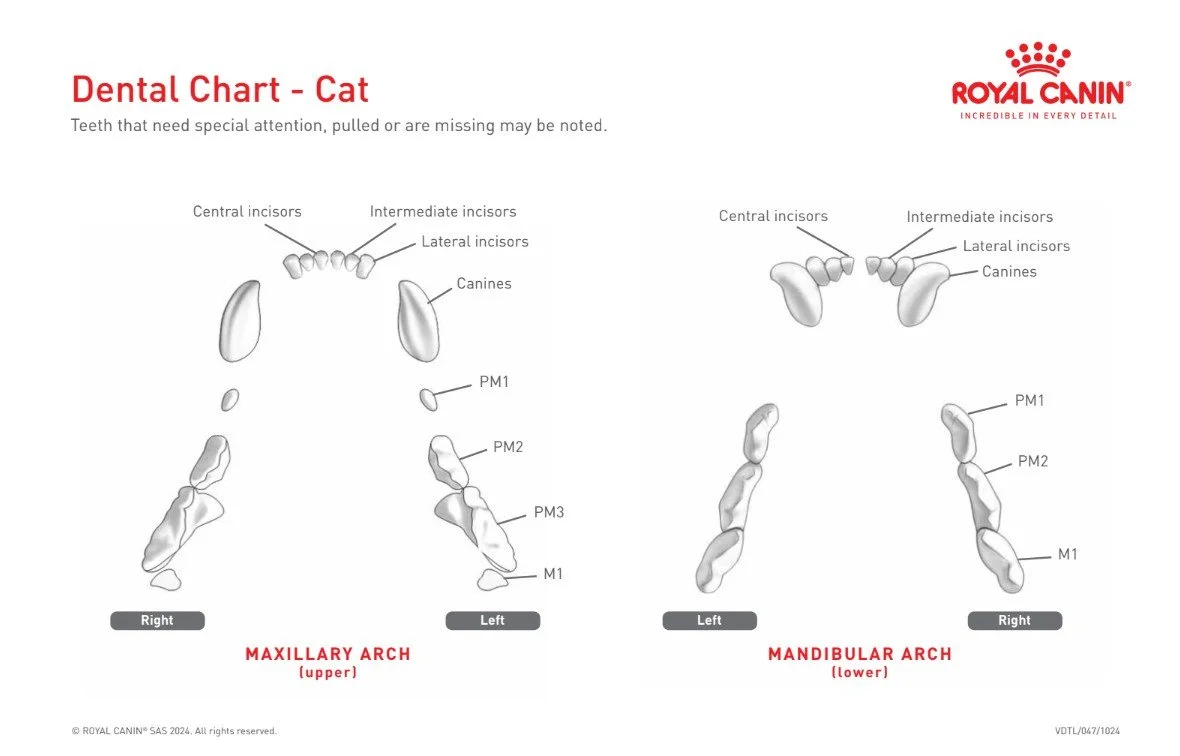
An adult cat has 30 teeth.
12 incisors – the tiny front teeth for grooming
4 canines – the sharp “fangs”
10 premolars – for slicing food
4 molars – for crushing
Kittens have 26 baby teeth, which start falling out around 3–4 months of age.
Fun fact: cats have fewer molars than dogs because their teeth are designed more for shearing meat than grinding.
Let’s Celebrate Dental Month Together
Dental Month is all about preventing pain, protecting health. A healthy mouth truly supports a healthier, happier life.
📞 Contact us today to book your pet’s oral health exam or to learn more about dental care options.
