
Spaying and Neutering Your Dog or Cat
Spaying and neutering are important procedures for your pet’s long-term health, behavior, and population control. Knowing the right time for surgery can make the process safer and more effective.
Dogs
We recommend spaying or neutering once your dog is fully developed, which can vary depending on breed and weight. Larger breeds may need to wait longer for full skeletal and hormonal maturity, while smaller breeds often reach development sooner.
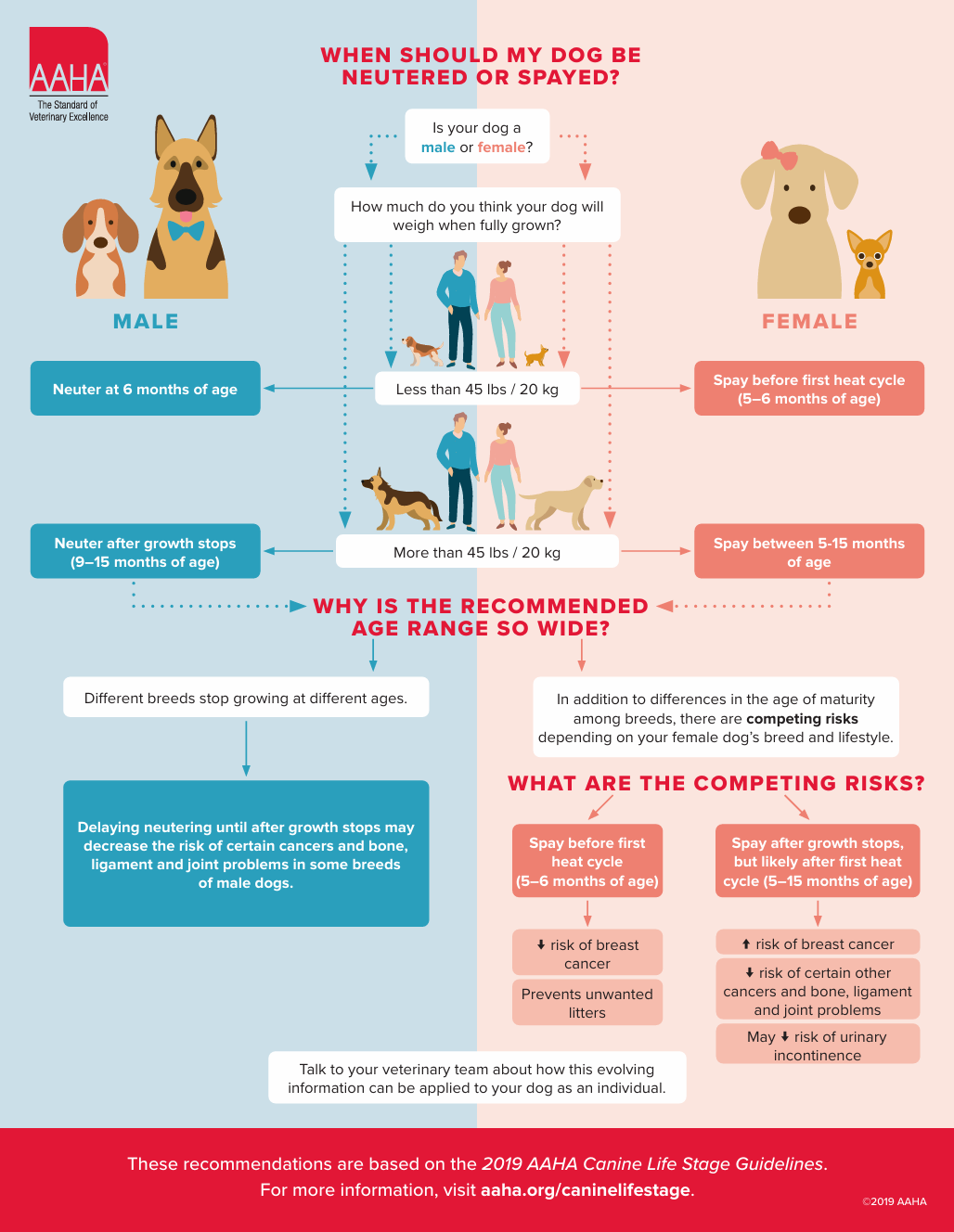
Note: There will be additional charges for:
Mature dog spays (over 1 year old): The uterus is more developed, which requires longer surgical time.
Obese dog spays: Extra surgical time is often required because tissues are more friable and blood vessels are harder to see, making the procedure more complex.
Cats
For cats, we recommend spaying or neutering before 5 months of age.
The American Association of Feline Practitioners (AAFP) supports the “Feline Fix by Five” initiative.
This initiative is designed to prevent unintended pregnancies, as cats can reach sexual maturity and become pregnant as early as 4–5 months of age.
Spaying Options
For female pets, we may perform either:
Ovarioectomy: Removal of the ovaries only
Ovariohysterectomy: Removal of both the ovaries and uterus
The choice of procedure is typically based on the preference of the surgeon and inspection of the uterus at the time of surgery. If you have a preferred procedure, please let us know when booking.
Important: We do not advise spaying dogs in heat, as there is increased blood supply to the uterus, making the tissues more fragile and increasing the risk of bleeding. We recommend waiting at least 6–8 weeks after the end of the heat cycle before performing a spay.
Additional Procedures and Considerations
During spay or neuter procedures, we often recommend additional procedures to ensure your pet’s health:
Pre-anesthetic blood work: Helps ensure your pet is healthy and safe for anesthesia.
Removal of persistent deciduous teeth: Some pets retain baby teeth that should be removed.
Hernia repair: If present, hernias can be repaired at the same time.
Special Considerations for Males
If a male is a cryptorchid (only one testicle has descended), additional procedures are required:
The retained testicle may be inguinal (in the groin) or intra-abdominal.
Surgical removal differs depending on the location of the testicle, and additional charges will apply.
Pre-Surgery Exams
A pre-spay and neuter exam allows our veterinary team to:
Ensure your pet is fit for surgery (e.g., no heart murmurs or other concerns).
Provide an accurate estimate of costs prior to the procedure.
Plan for any additional procedures, like those listed above.
Bottom Line: Proper timing, choice of procedure, and pre-surgical planning ensure your pet has a safe, successful spay or neuter surgery and sets them up for long-term health.
